Cancer Center
Facing a cancer diagnosis can be overwhelming. Many patients believe they need to travel to a large cancer institute to get the expertise and advanced care they need. At Bozeman Health, we’ve put together an exceptional multi-disciplinary team that brings expertise from across the country with the goal of keeping your care close to home. We offer the latest surgical procedures to treat a wide range of cancers, along with state-of-the-art radiation and medical oncology technologies. Our care goes beyond treatment, providing holistic support through social workers, nutritionists, and physical therapists to help you through every stage of your journey.
We also connect you with local cancer support groups, ensuring you have a strong community to lean on. Our team of specialists, surgeons, radiation oncologists, and medical oncologists, collaborate closely, combining their expertise to create a personalized treatment plan tailored specifically to you. You don’t have to travel far to get exceptional cancer care. With our advanced technology, compassionate support, and expert team working together, you can feel confident you’re receiving world-class treatment right here in your community.
It Starts with Knowing: Accurate Diagnosis and Early Detection
Our comprehensive cancer diagnostics include advanced breast health screenings, gastroenterology screenings such as colonoscopy and endoscopy, urologic screenings, and OB/GYN screenings. Each of these departments works closely with our cancer center to provide cohesive and coordinated care, ensuring that every aspect of your diagnosis and treatment is seamlessly managed. We understand that facing a potential cancer diagnosis is a difficult time, and we’re here to make sure everything is taken care of for you, so you can focus on your health and well-being.
Breast Cancer
Working closely with our partners at Advanced Medical Imaging, we provide state of the art imaging including 3D Digital Mammography, Breast MRI, Breast Biopsy and Breast Ultrasound. If cancer is detected, our clinical breast specialist will help you to coordinate care with our cancer center providing a seamless care.
- 3D Digital Mammography uses low dose X-rays to create highly detailed images of the breast, helping to detect breast tissue disease early.
Mammograms can help reduce breast cancer related deaths by detecting breast cancer early. Current health guidelines recommend that yearly mammography screening begin at age 45, or earlier if there is a history of breast cancer in the family. The Mammogram Project seeks to make lifesaving mammogram screening services available to all. Our goal is to increase access to lifesaving detection procedure available to all, regardless of income or insurance status. You may be eligible for the program even if you have health insurance.
Eligibility
Funding is available for screening mammograms for those without insurance or those who are underinsured. In order to quality, you must meet the following criteria: low income or no health plan coverage or a health plan with a prohibitively high co-pay for a mammogram.
Income
To be eligible for this program, you must meet income requirements. For 2024, monthly gross (before tax) household income limits are as follows:
- 1 person in Household – up to $5,020 / month
- 2 People in Household – up to $6,813 / month
- 3 People in Household – up to $8,606 / month
- 4 People in Household – up to $10,400 / month
- 5 People in Household – up to $12,193 / month
- 6 people in Household – up to $13,986 / month
- 7 People in Household – up to $15,780 / month
- 8 People in Household – up to $17,573 / month
Order from a Provider
For your application to be considered, you must upload a copy of your mammogram order or prescription form. If you do not already have this, you can request it from your healthcare provider. If you do not have a primary care provider, all our providers can be found under Find a Provider.
Please complete this application and upload the requested documentation. Applications will be reviewed as they are received.
Giving Back
[The Mammogram Project] is great for people who do not have any money and who cannot afford this… I was able to catch breast cancer with the program. Without this program, people would not be able to get this done. –Lynn H.
The Mammogram Project is supported by the Bozeman Health Foundation. Are you interested in making a donation for lifesaving mammograms through our Foundation for the Mammogram Project? Click here for more information or to Donate Now.
Learn More on Breast Cancer at “Advanced Medical Imaging”
Lung Cancer
What Can I Expect?
A low dose CT scan is quick and comfortable and only exposes you to a very low amount of radiation. No IV contrast is required. This examination may not be covered by insurance, but most Medicare plans cover ages 50-77. This service is offered for $400.00.
Results
Our radiologist will review your image and send your provider a report within five to seven working days. You will also receive a letter from Advanced Medical Imaging indicating your results.
Negative
A negative study means that no evidence of lung cancer was detected by this screening exam. You should discuss with your provider if regular (annual) screenings are right for you.
Finding
A finding was noted that could mean something has changed from prior studies or that an area was identified requiring watchful follow-up and/or possible further imaging. Discuss with your provider if additional imaging is needed at this time.
Discovering a potential lung condition can feel overwhelming, especially when it’s unclear how or where to find answers. At Bozeman Health, we use advanced navigation bronchoscopy, a precise and minimally invasive procedure that acts like GPS for your lungs. This cutting-edge technology guides a thin, flexible scope through the airways to access hard-to-reach areas, allowing us to obtain tissue samples, diagnose lung conditions earlier and more accurately, and develop a clear treatment plan tailored to your needs. With navigation bronchoscopy, you can face your diagnosis with confidence, supported by advanced technology and a team dedicated to your care.
Urologic Cancers
Bozeman Health Urology
Urologic cancers affect the urinary tract and male reproductive organs, including the bladder, kidneys, prostate, and testicles. Diagnosing these cancers often involves a combination of advanced imaging, laboratory tests, and minimally invasive procedures such as cystoscopy or biopsy. Early and accurate diagnosis is essential to developing a personalized treatment plan tailored to your needs.
Advanced Imaging techniques, such as ultrasound, CT scans, and MRI, provide detailed views of the urinary tract and surrounding structures, helping to identify abnormalities or tumors.
Laboratory tests, including urine analysis, urine cytology, and blood tests like PSA (prostate-specific antigen), can detect markers that indicate cancer or other urologic conditions.
Cystoscopy, a minimally invasive procedure, allows direct visualization of the bladder and urethra using a thin, flexible camera, enabling the identification of suspicious areas and the collection of tissue samples for biopsy.
Gastroenterology
Cancers of the gastrointestinal (GI) tract can develop in any part of the digestive system, including the esophagus, stomach, pancreas, liver, small intestine, colon, and rectum. These cancers often present with vague symptoms, such as abdominal pain, changes in bowel habits, or unintended weight loss, making early detection critical. Using cutting-edge technologies like endoscopy, colonoscopy, imaging, and biopsies, we can identify cancer accurately and at an early stage. At Bozeman Health Gastroenterology, our team of specialists collaborates to create a comprehensive and personalized treatment plan, ensuring you receive the care and support you need every step of the way.
Endoscopy is a minimally invasive procedure that uses a thin, flexible tube with a camera to examine the upper digestive tract, including the esophagus, stomach, and small intestine. It helps diagnose conditions such as ulcers, inflammation, and cancers.
Colonoscopy is a similar procedure designed to examine the colon and rectum. It allows doctors to detect abnormalities like polyps, which can be removed during the procedure to prevent cancer or confirm a diagnosis through biopsy.
Cancer Care Providers
Breast Surgical Team
Robin T Hape
MD
Breast Surgical Oncology
Shauna Werth Kronfuss
MD
Breast Surgical Oncology
English
Olivia Franklin
FNP
Breast Surgical Oncology
Nabil Habash
MD
Breast Surgical Oncology
Theodore Nagel
MD
Breast Surgical Oncology
Chris Baker, MD & Team
(Radiation Oncology)

Chris Baker
MD
Radiation Oncology
Kendall A Child
APRN, CNPBC
NP - Hematology & Oncology
Anne Anderson
BSN, RN, OCN
Hematology & Oncology
Jamie Branstetter
BSN, RN, OCN
Hematology & Oncology
Courtney Wagner, MD & Team
(Medical Oncology)

Courtney Wagner
MD
Hematology
& Oncology
Tennille C Baker
PA-C
PA-Hematology
& Oncology
Hannah Merrifield
BSN, RN
Hematology
& Oncology
David Koeplin, MD & Team
(Radiation Oncology)
David A Koeplin
MD
Radiation Oncology
Kendall A Child
APRN, CNPBC
NP - Hematology & Oncology
Anne Anderson
BSN, RN, OCN
Hematology & Oncology
Jamie Branstetter
BSN, RN, OCN
Hematology & Oncology
Justin Thomas, MD & Team
(Medical Oncology)
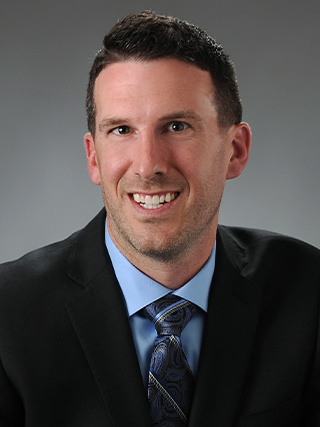
Justin Thomas
MD
Internal Medicine
& Medical Oncology
Catherine Walgren
PA-C
PA-Hematology
& Oncology
Clarissa Lorance
APRN
Hematology
& Oncology
Tennille C Baker
PA-C
PA-Hematology
& Oncology
Cara Thomas
BSN, RN
Hematology
& Oncology
Kara Schenk, MD & Team
(Medical Oncology)
Kara Schenk
MD
Hematology
& Oncology
Hillary Waldeisen
FNP-C, DNP
Hematology
& Oncology
Tennille C Baker
PA-C
PA-Hematology
& Oncology
Carmen Backes
BSN, RN
Hematology
& Oncology
Kenneth May, MD, PhD & Team
(Medical Oncology)
Kenneth May
MD, PhD
Hematology
& Oncology
Kendall Chlid
APRN, CNPBC
Hematology
& Oncology
Tennille C Baker
PA-C
PA-Hematology
& Oncology
Whitney W Pritham
APRN, FNPBC, NP
Hematology
& Oncology
Annie Babbitt
BSN, RN, OCN
Hematology
& Oncology
Mark Handcock, MD & Team
(Medical Oncology)
Mark Hancock
MD
Hematology
& Oncology
Kendall A Child
APRN, CNPBC
NP - Hematology & Oncology
Tennille C Baker
PA-C
PA-Hematology
& Oncology
Annie Babbitt
BSN, RN, OCN
Hematology
& Oncology
William Conkright, MD & Team
(Medical Oncology)
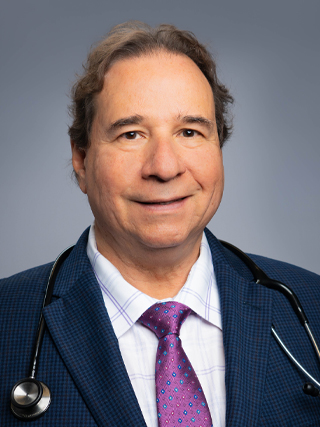
William Conkright
MD
Hematology
& Oncology
Whitney W Pritham
APRN, FNPBC, NP
Hematology
& Oncology
Sarah Adsit
PA-C
Hematology
& Oncology
Tennille C Baker
PA-C
PA-Hematology
& Oncology
Suzanne Ford
BSN, RN, ONN-CG
Hematology
& Oncology
Video Testimonials
Doug MacIntyre – Encore
Gary’s Story
Frequently Asked Questions: Infusion Center
How many visitors can I have?
You may have one visitor with you during your infusion. In some situations, exceptions can be made. If you’d like to bring more than one visitor, please ask your infusion nurse once you’re seated. They’ll let you know if we can accommodate additional guests that day.
Why is my first infusion longer than the others?
Everyone responds differently to medication. During your first treatment, we give each medication separately to see how your body reacts. This helps us identify which drug might be causing a reaction, if one occurs. Because of this, your first infusion usually takes 30 minutes to one hour longer than later treatments.
Some medications also run more slowly the first time to make sure you tolerate them well. If you do, future infusions can often be given over a shorter period.
Why is my nurse wearing protective gear?
Chemotherapy drugs require caregivers to wear personal protective equipment (PPE). PPE keeps our team safe in case of a spill, leak, or splash.
Why am I not wearing protective gear?
Your medication is delivered directly into your bloodstream through an IV or a subcutaneous injection, so it shouldn’t come into contact with your skin or clothing. If medication does touch your skin or clothes, your care team will guide you through what to do, such as washing the area with soap and water or removing soiled clothing.
What is a reaction?
- A reaction happens when your body responds to medication. Symptoms vary by person and by drug.
Common signs of a reaction include:
- Tingling near the IV site
- Skin rash
- Shortness of breath or cough
- Dizziness
- Changes in vital signs (heart rate, breathing rate, blood pressure, or temperature)
- Chest tightness
Am I likely to have a reaction?
What happens if I have a reaction?
- If you experience a reaction, your care team will follow a specific protocol to keep you safe. This may include:
- Stopping the medication
- Starting a normal saline flush
- Alerting a provider
- Checking your vital signs frequently
- Giving medications such as Benadryl, Pepcid, or Solu-Medrol
- Monitoring your recovery
Once your symptoms have resolved, your provider may decide to restart the medication.
What if my IV stops working?
If your IV becomes uncomfortable or stops infusing properly, your nurse will check it. If it can’t be used, they’ll start a new IV in another location, usually on your other arm. The old IV will be removed, and the site will be wrapped.
Can I take my premeditations at home?
Some treatment plans include oral premedications you can take before arriving for your infusion. This can help save time once you’re here.
When should I take my premedications?
Most premedications need to be taken within a specific window of time before your infusion. Your care team will tell you exactly when and how to take them.
Why do I need to wear cold mitts or boots during treatment?
Some medications can cause neuropathy—numbness, tingling, or loss of sensation in your hands or feet. Wearing cold mitts or boots during your infusion may help reduce this side effect.
We recommend wearing thin gloves and socks under the cold gear to protect your skin. If you don’t have any, we can provide protective covers. These devices are optional but can be helpful for prevention.
Why do some patients wear cold caps?
Certain medications can cause hair loss. Cold caps are designed to help reduce this side effect.
Can I bring food or drinks?
Yes, absolutely! You’re welcome to bring your favorite snacks and beverages for comfort. Please note that alcohol is not allowed.
Are snacks or drinks available at the infusion center?
Yes. We offer water, juice, soda, and a variety of snacks. If you have special dietary needs, you may prefer to bring your own items.
Will I sit in the same chair every visit?
Not necessarily. Your chair may change from visit to visit based on scheduling and availability.
Will I have the same nurse each time?
Our staff rotates, so you may have different nurses during your treatments. This helps you get to know multiple members of our team, all of whom are familiar with your care plan.
Can I request a specific nurse or chair?
You’re welcome to make a request, but we can’t guarantee it. Assignments depend on staff schedules, chair availability, and appointment times.
What if I need to use the bathroom during my infusion?
Please let your nurse know. We’ll help you unplug your IV pole and, if needed, escort you to the restroom. The IV pump has a battery backup, so there’s no need to rush. When you return, we can help you plug your IV back in.
Do I need someone to drive me home?
Most patients can drive themselves after treatment. However, if you have a reaction or receive medications such as Benadryl that can cause drowsiness, you may need a ride. Your nurse will help assess your readiness to drive before you leave.
How long does chemotherapy stay in my body?
Chemotherapy drugs usually remain in the body for 48 to 72 hours before being cleared through body fluids such as urine, stool, tears, sweat, vomit, semen or vaginal discharge.
Can my partner or pet sleep in the same bed with me?
Yes. Chemotherapy drugs are not transmitted through casual contact like sharing a bed. They are primarily excreted through body fluids.
When can I resume sexual activity?
You may resume intimacy whenever you feel ready. However, it’s recommended to use barrier protection, such as condoms, to reduce potential exposure to small amounts of chemotherapy in bodily fluids. Some patients choose to wait 72 hours after treatment, when most medication has been excreted.
How do I know if I need more hydration?
Staying hydrated is important during treatment. Aim for 64 to 80 ounces of noncaffeinated fluids per day. Signs of dehydration include dryness of the mouth, eyes, nose, or skin.
If you can’t drink enough fluids, your team may recommend IV hydration.
Why should I flush the toilet twice after chemotherapy, and for how long?
After chemotherapy, your body eliminates drug waste through bodily fluids. When those fluids leave your body, they can irritate skin or pose a small exposure risk to others.
These precautions are recommended for a few days after each treatment:
- If possible, have children use a different toilet.
- Always sit on the toilet to reduce splashing.
- Flush twice with the lid closed.
- Keep the lid down when not in use to prevent pets from drinking the water.
- Wash your hands well with warm, soapy water after each use.
- If you vomit, clean any splashes and flush twice. If you use a bucket, empty and wash it with hot, soapy water, then flush the rinse water twice.
- Caregivers should wear disposable gloves when handling body fluids and wash hands afterward.
- If a caregiver’s skin comes into contact with body fluids, they should wash the area thoroughly and let your provider know at your next visit.
- Wash any soiled clothes or linens separately in warm water with detergent. If you can’t wash them immediately, seal them in a plastic bag.
Dispose of adult diapers or sanitary pads in two sealed plastic bags before placing them in the trash.
Will my hair fall out?
Not all chemotherapy drugs cause hair loss. If your regimen includes one that may, hair typically begins to fall out two to four weeks after your first treatment.
Where can I find support outside the hospital?
Bozeman Health Cancer Center partners with the Cancer Support Community of Montana, which offers free programs including support groups, individual counseling, educational workshops, fitness and stress-management classes, expert lectures and social events. Services are available in person, online or in a hybrid format.
State of the Art Treatments Tailored to You
At the start of your cancer journey, you’ll meet with your oncologist, who will provide reassurance and an honest, clear path forward. Together, you’ll discuss a treatment plan tailored specifically to your needs, designed to give you the best possible outcome. Your care doesn’t stop there. You’ll meet with a dedicated team that includes physician assistants, clinical nurses, and nurse navigators, all working to coordinate your appointments and ensure seamless care.
Social workers will be available to offer emotional support, guidance, and assistance with financial concerns, helping to ease the challenges of treatment. You’ll also receive information about community support services, connecting you to additional resources to bolster your care and well-being. With a team devoted to supporting you every step of the way, you can focus on what matters most: your health and healing.
Medical Oncology
For answers to common questions about the Bozeman Health Infusion Center, including appointments, treatments, and preparing for your visit:
General Surgery
Our general surgery options for colorectal and urologic cancers provide effective treatment tailored to your specific needs. For colorectal cancers, procedures focus on removing tumors while preserving bowel function, often using minimally invasive techniques like laparoscopic or robotic-assisted surgery to enhance recovery.
For urologic cancers, surgeries target conditions such as bladder, kidney, and prostate cancers, utilizing advanced approaches to remove cancerous tissue while prioritizing organ preservation and functionality.
Our breast surgical options are designed to provide comprehensive care at every step of your journey. From diagnostics to treatment, you will work closely with a clinical breast specialist who helps navigate your care, ensuring seamless coordination and a personalized plan. Our breast surgical team collaborates extensively with medical and radiation oncologists to offer a well-rounded approach to treatment, providing you with the best possible outcomes.
For patients requiring reconstructive surgery after a mastectomy, we specialize in advanced options to restore both function and appearance. Additionally, visiting surgeons from Texas provide the innovative FLAP procedure, a highly effective technique for breast reconstruction that uses tissue from your own body to create a natural-looking result. This close collaboration ensures that you receive the highest standard of care with a focus on your physical and emotional well-being.
Breast reconstruction is a surgery that helps rebuild the shape of the breast after a mastectomy, which is the removal of the breast due to cancer. There are different types of breast reconstruction, and your doctor will work with you to find the best option. One option is called implant reconstruction, where a silicone or saline implant is placed to replace the breast tissue. Another option is flap reconstruction, which uses tissue from another part of your own body, like the abdomen, back, or thighs, to create a new breast mound.
The FLAP procedure is a special type of breast reconstruction where tissue from a different part of your body is used to rebuild the breast. The tissue includes skin, fat, and sometimes muscle. This can be taken from places like your stomach (called a DIEP flap), back (latissimus dorsi flap), or thighs. The advantage of using your own tissue is that it looks and feels more like a natural breast.
During the FLAP procedure, surgeons carefully move the tissue to the chest area and reconnect the blood vessels, which helps the tissue survive and heal in the new location. This type of surgery takes more time and can be more complex, but many women choose it because the results can feel more natural and last longer than implants.
Robotic-Assisted Surgery for Faster Recovery
Bozeman Health is proud to offer robotic-assisted surgery using the da Vinci ® Surgical System, a cutting-edge technology that enhances precision and reduces recovery time. Benefits of robotic surgery include:
- Smaller incisions for less scarring
- Shorter hospital stays and faster recovery
- Reduced pain and discomfort
- Quicker return to daily activities
By combining the latest minimally invasive surgical techniques with personalized care, Bozeman Health Surgical Services ensures that you receive top-quality care close to home. Learn More on Robotic-Assisted Surgery here
Gynecologic Oncology
Every year, millions of women face challenges related to gynecologic conditions, ranging from benign tumors to advanced cancers. These conditions not only impact physical health but also pose emotional and psychological challenges. At Bozeman Health Women’s Specialists, Dr. Justin Bottsford-Miller is board certified in benign gynecology and gynecologic oncology. He can provide both medical and surgical treatment for cancer as well as complex benign conditions such as endometriosis. Robotic-assisted surgery offers numerous advantages, including reduced scarring and faster recovery times.
Dr. Bottsford-Miller utilizes this advanced technology to perform procedures with exceptional precision, providing optimal outcomes for patients. Dr. Bottsford-Miller and the Women’s Specialists team collaborate closely with Bozeman Health Cancer Center to provide comprehensive cancer treatment and support. Patients have access to social workers, the Cancer Support Community, and other support groups, ensuring they receive the holistic care they need throughout their treatment journey.
Gynecologic Oncology Conditions
- Cervical Cancer
- Uterine Cancer
- Ovarian Cancer
- Vaginal Cancer
- Vulvar Cancer
- Gestational trophoblastic disease
- Endometriosis
- Pelvic masses
- Genetic changes pre-disposing patients to cancer
Treatment Options
- Minimally invasive surgery, including robotics surgery
- Surgical debulking of cancer masses
- Colposcopy, cone biopsy and LEEP
- Laser treatment
- Radiation treatment
- Immunotherapy
- Chemotherapy
- Active symptom management
- Mutation-targeted treatment
- Hormone-targeted treatment
- Clinical trials
- Fertility-preserving treatments
Radiation Oncology
Our Radiation Oncology Department features two state-of-the-art linear accelerators, offering advanced precision in targeting and treating cancer. These cutting-edge machines deliver high-energy radiation directly to tumors while sparing surrounding healthy tissue, ensuring effective and focused treatment.
With two linear accelerators available, we provide seamless access to care, minimizing wait times and maximizing treatment options for our patients. At Bozeman Health, we’re committed to using the latest technology to support your journey toward healing.
Radiation Oncology
Our radiation oncologist can provide treatment through several forms, including conventional external beam therapy, intensity-modulated radiation therapy (IMRT) and image-guided radiation therapy (IGRT).
A new Varian Trilogy Linear Accelerator with OnBoard Imaging (OBI) and Stereotactic Body Radiation Therapy (SBRT) was put in operation in January 2014, providing highly advanced radiation treatment. The OBI (a built-in CT scanner) enables medical staff to provide highly focused doses of radiation therapy directly to tumors while sparing healthy surrounding tissue, which can reduce the number of radiation treatments needed in some cases.
Lymphedema
Some cancer patients experience lymphedema, or swelling of body tissues as a result of treatment. Our lymphedema specialist can treat this condition with specialized massage, compression garments and exercise regimens.
Surgery for Cancer
Surgeons at Bozeman Health perform a number of types of conventional surgery from diagnostic (biopsy) to staging (determining the size of the tumor and where it has spread) to tumor removal. In some cases, when the entire tumor cannot be removed, surgeons will remove as much as possible. Reconstruction and preventive surgery may also be performed. In certain cases, minimally invasive surgery may be performed, including laparoscopic, laser, and cryosurgery and endoscopy procedures.
Clinical Trials
Innovative Treatments
Advances in the treatment of cancer depend on clinical trials. These are research studies in which patients help physicians find ways to improve health and cancer care, while being cared for with cutting-edge treatments. Clinical trials are designed to find new ways to locate, diagnose, treat, prevent and manage symptoms of cancer or its treatment. Our patients have access to clinical trials through the National Comprehensive Cancer Network (NCCN) and Montana Cancer Consortium. This allows us to offer treatments to patients here at home, rather than requiring travel to a large city, where many of the trials are based.
In Montana, health insurance generally covers standard of care procedures for patients enrolled in clinical trials.
Benefits to participating in a clinical trial:
- Play an active role in your own healthcare
- Gain access to new treatments before they are widely available
- Obtain the highest quality medical care at leading healthcare facilities
- Help others by contributing to medical research
Potential drawbacks to participating in a clinical trial:
- New treatments may not be better than the standard care
- New treatments may have unexpected side effects
- The new treatment may not work for you
To find more information about clinical studies open and available to patients here, click the links below:
- Astrazeneca D9723C00001 (EvoPAR Prostate-01)
– Study Title: A Randomized, 2-cohort, Double-blind, Placebo-controlled, Phase III Study of Saruparib (AZD5305) in Combination With Physician’s Choice New Hormonal Agents in Patients With HRRm and Non-HRRm Metastatic Castration-Sensitive Prostate Cancer (EvoPAR-Prostate01)
– Purpose: We are doing this research to find out if the experimental drug (study drug) called Saruparib (AZD5305) combined with new hormonal agents (NHAs) (enzalutamide, abiraterone, or darolutamide) works better for the type of cancer that you have been diagnosed with, when compared to NHAs alone.This study will also evaluate other aspects such as: how much of saruparib is in your blood at various times and if there are molecular biomarkers of prostate cancer in your blood that could help monitor the disease.
– Detailed Description: Approximately 1800 adult participants with mCSPC will be assigned to one of two cohorts (550 HRRm and 1250 non-HRRm) and randomized in a 1:1 ratio to receive either Saruparib (AZD5305) with NHA or placebo with NHA. They will receive their assigned treatment and regular tumor evaluation scans until disease progression, or until treatment is stopped for another reason.All patients will be followed for survival until the end of the study. Independent data monitoring committee (DMC) composed of independent experts will be convened to confirm the safety and tolerability of Saruparib (AZD5305) + physician’s choice NHA.
– Eligibility: This study is open to enrollment for adults (18+) diagnosed with metastatic castration-sensitive prostate cancer who have not yet begun treatment for metastatic disease (with the exception of Androgen Deprivation Therapy (ADT) started within 3 months prior to enrollment into screening for the study).Other eligibility criteria apply and will be assessed during a 28-day screening period before any study treatments begin. If you are interested in participating in this clinical trial, please call (406) 414-4475 or email Clinicalresearch@bozemanhealth.org. Additional details may be found at ClinicalTrials.gov.
- BioNTech BNT327-02
– Study Title: A Phase II, multi-site, randomized, open-label clinical trial to evaluate the safety, efficacy, and pharmacokinetics of BNT327 at two dose levels in combination with chemotherapeutic agents as first- and second-line treatment in triple-negative breast cancer.– Purpose: This study is a Phase II, multi-site, randomized, open-label clinical study to evaluate the safety, efficacy, and pharmacokinetics (PK) of BNT327 at two dose levels in combination with chemotherapeutic agents in the first- and second-line treatment of participants with locally advanced/metastatic triple-negative breast cancer (mTNBC).
– Detailed Description: Participants will be treated until disease progression, intolerable toxicity, participant withdrawal, death, study termination or up to 2 years (whichever occurs first).
The study plans to randomize or assign eligible participants into two cohorts, i.e., Cohort 1 and Cohort 2. In Cohort 1, participants will be randomized to two treatment arms investigating two dose levels of BNT327 in combination with Nab-paclitaxel.
Cohort 2 will not begin until the appropriate dose to move forward has been determined from Cohort 1. After this, the arms in Cohort 2 exploring different chemotherapy combinations will begin to enroll. Participants in Cohort 2, Arm 1 will receive the optimal dose of BNT327 in combination with paclitaxel. Participants in Cohort 2, Arms 2 and 3, will receive the equivalent dose of BNT327 administered once every 3 weeks (Q3W) in combination with gemcitabine plus carboplatin (Arm 2), or eribulin (Arm 3).
– Eligibility: This study is open to enrollment for adults (18+) diagnosed with inoperable metastatic/locally-advanced Triple-Negative Breast Cancer (TNBC) who have not yet begun treatment for metastatic disease or have failed one prior line of systemic therapy for locally-advanced or metastatic disease.
Other eligibility criteria apply and will be assessed during a 21-day screening period before any study treatments begin. If you are interested in participating in this clinical trial, please call (406) 414-4475 or email Clinicalresearch@bozemanhealth.org. Additional details may be found at ClinicalTrials.gov.
- BMS CA224-1093 (RELATIVITY-1093)
– Study Title: A Phase 3, Randomized, Open-label Study of Nivolumab + Relatlimab Fixed-dose Combination with Chemotherapy Versus Pembrolizumab with Chemotherapy as First-line Treatment for Participants with Non-squamous (NSQ), Stage IV or Recurrent Non-small Cell Lung Cancer and with Tumor Cell PD-L1 Expression ≥ 1%.
– Purpose: The purpose of this study is to compare the efficacy of Nivolumab and Relatlimab in combination with chemotherapy to Pembrolizumab with Chemotherapy in participants with stage IV or recurrent Non-squamous Non-small Cell Lung Cancer with PD-L1 ≥ 1%.
– Detailed Description: CA2241093 is an open-label, randomized trial to evaluate the safety and efficacy of the nivolumab + relatlimab FDC (1:1) + PDCT Q3W (Arm A) vs pembrolizumab (200mg) + PDCT (Q3W) (Arm B). Participants will be randomized 1:1 into the experimental arm (Arm A) and the control arm (Arm B). Immunotherapy administration will continue until progression, toxicity, withdrawal of consent, or a maximum of 2 years, whichever occurs first. PDCT administration occurs for the first 4 cycles only (maintenance pemetrexed permitted). Enrollment will end when approximately 1000 participants have been randomized. Participants must have ≥ 1% PD-L1 tumor cell expression.
– Eligibility: This study is open to enrollment for adults (18+) diagnosed with Stage Iv or recurrent Non-small Cell Lung Cancer (NSCLC) of non-squamous (NSQ) Histology, and with a PD-L1 expression of ≥ 1%, who have not yet begun treatment for metastatic disease.
Other eligibility criteria apply and will be assessed during a 32-day screening period before any study treatments begin. If you are interested in participating in this clinical trial, please call (406) 414-4475 or email Clinicalresearch@bozemanhealth.org. Additional details may be found at ClinicalTrials.gov.
Whole-Person Cancer Care Supporting Your Health, Body, & Mind
Social Work
The team of Social Workers at the Cancer Center is an integral part of patient care, allowing patients to explore resources and support services available to enhance their care and treatment. They work collaboratively with the medical team addressing various facets of care and guiding patients through their cancer journey.
- Providing counseling for patients, family members, and caregivers
- Engaging in holistic care discussions
- Offering education and support groups
- Assisting with Advance Directives and POLSTS
- Facilitating end-of-life planning
- Exploring fertility preservation pathways
- Discussing Cold Caps
- Addressing Social Security Disability and Employer Policies
- Offering guidance on housing and transportation availability
- Providing assistance with medical bills and medication costs
- Evaluating eligibility for non-medical grants
- Assisting with insurance applications and answering related questions
- Facilitating disability placards for vehicles
- Addressing food insecurity
- Offering community resource referrals
- Discussing medical marijuana
To connect with our team and access these resources, appointments are necessary. Please inquire with your oncology team about a referral and to schedule an appointment, call 406-414-5070.
Telehealth
Rehabilitation
At Bozeman Health Rehabilitation, our team of Physical, Occupational, and Speech-Language Therapists collaborates to provide comprehensive care tailored to your cancer journey. Whether you’re newly diagnosed, undergoing treatment like radiation or chemotherapy, recovering from surgery, or navigating survivorship, our specialists work together to address cancer-related symptoms and functional impairments. Our shared goal is to help restore your physical function and enhance your ability to participate fully in every aspect of your life. With a collaborative approach, we’re here to support you every step of the way.
Symptoms Treated in Physical Therapy
- Chemotherapy induced peripheral neuropathy in the feet/toes
- Numbness, tingling, pins/needles, or burning in any region of the body
- Pain in any region of the body
- Weakness in the arms and/or legs
- Stiffness/tightness in the arms, legs, neck, back, chest, or jaw
- Fatigue/tiredness
- Difficulty with balance and walking
- Swelling, including lymphedema
- Dizziness
- Vertigo
- Headaches
- Cardiovascular deconditioning
- Bowel and bladder symptoms such leakage, urgency, difficulty emptying, difficulty holding, constipation
- Pelvic pain which can include pain with intercourse
Symptoms Treated in Occupational Therapy
- Chemotherapy induced peripheral neuropathy in the hands/fingers
- Numbness, tingling, pins/needles, or burning in the hands/fingers
- Difficulty grasping/gripping objects or frequently dropping items
- Hand weakness
- Hand stiffness
- Difficulty detecting hot/cold temperatures in the hands/fingers
- Difficulty with fine motor activities such as buttoning, writing, zipping, typing, sewing
- Not noticing or feeling when you get cuts, scratches, or other injuries to hands/fingers
Symptoms Treated in Speech Language Therapy
- Difficulty swallowing liquids or solids
- Decreased jaw range of motion following radiation
- Changes to the sound of your voice or speech
- Changes to thinking such as difficulty with remembering, concentrating, coming up with words and/or difficulties with problem solving following chemotherapy treatment
If you have one or more of these symptoms, speak with your oncologist, and ask for a referral to our rehabilitation department. Once we get your referral, we will reach out to you to get scheduled. If you have any other questions about rehabilitation, please call our front desk at 406-414-1002.
Nutrition
What is a Registered Dietitian (RD):
A Registered Dietitian is a board-certified healthcare professional who has received special education and training on diet and nutrition. They provide evidence-based recommendations to patients with chronic and acute conditions.
A Registered Dietitian in Oncology provides:
- Nutrition assessment and develops individualized care plans that meet a patients needs based on treatment: chemotherapy, immunotherapy, radiation
- Education about treatment regarding side effects that may impact eating habits: decrease or loss of appetite, weight loss, dehydration, change in taste and difficulty swallowing
- Education on nutritional supplements (protein supplements)
- Management of patients receiving enteral nutrition (tube feeding)
- Education to maximize intake and quality of life
- Collaboration with your healthcare team to provide high quality care
Emma Peterson, RD, RN, LN, is Bozeman Health’s Registered Dietitian.
Click photo to contact Emma.
Wound Clinic
If you’re undergoing cancer treatment and experiencing challenges with wound healing, Bozeman Health Wound Clinic is here to help. Cancer treatments, such as surgery, radiation, or chemotherapy, can sometimes cause wounds that need specialized care. Our team provides advanced therapies and personalized care to address these concerns and support your healing journey.
We treat conditions like:
- Radiation-induced tissue damage: Radiation therapy can sometimes cause burns or damage to skin, muscles, or even bones.
- Non-healing surgical wounds: If you’ve had surgery as part of your cancer treatment and your wound isn’t healing as expected, we can provide solutions.
- Chronic wounds: Conditions like pressure sores or wounds complicated by diabetes can be managed with specialized care.
- Lymphedema-related skin damage: Swelling from lymphedema can lead to open sores or ulcers that benefit from targeted therapies.
- Chemotherapy-induced wounds: Some medications can lead to skin issues that require expert care.
- Post-reconstructive surgery healing: If you’ve had reconstructive surgery, like breast reconstruction or a flap procedure, and are experiencing delayed healing, we offer advanced treatments to help.
Our team may also recommend Hyperbaric Oxygen Therapy (HBOT) to enhance healing by improving oxygen delivery to damaged tissues. This can stimulate new blood vessel growth, reduce swelling, and help prevent infections.
We know that managing wounds while undergoing cancer treatment can feel overwhelming, but our wound clinic is here to provide compassionate, expert care.
Cancer Support Community
Resources for Patients
Support Groups
We partner with Cancer Support Community of Montana to offer a variety of support groups for patients and family members during and after treatment, or those who have lost a loved one to cancer. These services are offered at the Cancer Center or in local partner organizations. View their events, classes and support groups in their Calendar.
Navigating Treatment
We understand that treating cancer is not solely about providing medical treatment. Bozeman Health Cancer Center provides patients with the assistance of social workers, a financial case manager, and patient navigators specializing in medical oncology, radiation oncology, breast care and radiology to guide you through treatment.
Survivorship Appointment
This meeting is an opportunity to help you transition after treatment. You will receive a care plan that will outline diagnosis, treatment, side effects, and the potential for recurrence. It will also be a communication tool for future healthcare coordination.
Additional Services
Please speak with your provider to learn more about these resources:
- Extended stay housing
- Complementary medicine
- Palliative Care
- Care Boutique
- Spiritual Care
- Support groups
- Mammogram Project
Healing and Wellness
We partner with Cancer Support Community Montana to assist you with your emotional and social needs as a cancer patient to improve your quality of life, encourage healthy life choices, and alleviate suffering so you can return as closely as possible to your normal life. You and your family are welcome to become actively involved in your treatment and recovery. Integrative medicine looks at you as a whole person, not just as a cancer patient, to provide appropriate complementary services for symptom management, particularly pain management, but also to alleviate fatigue, loss of sleep and loss of appetite, and to help you stay strong, boost your immune system, combat side effects, and regain and maintain your well-being.
Therapy options available to you include the certified START (survivorship, transition and rehabilitation training) Program, nutrition therapy, yoga, strength training, meditation, music therapy, aquatic therapy, stress reduction, art therapy, neurofeedback, Pilates and other therapeutic exercise options.
For more information, call Bozeman Health Cancer Center at 406-414-5070 or Cancer Support Community at 406-582-1600.
Survivorship
This meeting is an opportunity to help you transition after treatment. You will receive a care plan that will outline diagnosis, treatment, side effects, and the potential for recurrence. It will also be a communication tool for future healthcare coordination.
Our Certifications
Bozeman Health Cancer Center is ASCO QOPI certified, demonstrating a commitment to excellence and ongoing quality improvement. Because at Bozeman Health Cancer Center, we are committed to provided expert care, close to home. Bozeman Health Cancer Center is also accredited through the American College of Surgeons (ACS) Commission on Cancer, underscoring our commitment to the highest levels of cancer care, ongoing care evaluation, and a relentless approach to self-improvement.
We also connect you with local cancer support groups, ensuring you have a strong community to lean on. Our team of specialists, surgeons, radiation oncologists, and medical oncologists, collaborate closely, combining their expertise to create a personalized treatment plan tailored specifically to you. You don’t have to travel far to get exceptional cancer care. With our advanced technology, compassionate support, and expert team working together, you can feel confident you’re receiving world-class treatment right here in your community.